
Posts by Advocacy Staff
A Proposed Sales Tax Increase Could Affect Businesses Across LA County
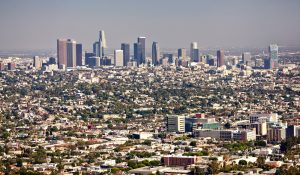
The Los Angeles County Board of Supervisors recently voted to place a temporary half-cent sales tax increase on the ballot to help fund public healthcare services. While the measure is aimed at addressing a budget gap, it could also affect consumer spending and tenant performance across the region’s commercial properties.
Read MoreDon’t Miss Our CAMS Intro Course!
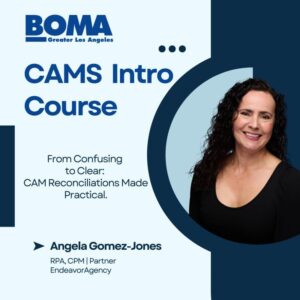
In commercial property management, few responsibilities carry as much financial impact — or cause as much uncertainty — as CAM reconciliations. Yet many professionals are expected to manage them without ever receiving formal training. To help address that gap, BOMA/GLA is hosting an upcoming educational event on March 18 led by Angela Gomez-Jones of EndeavorAgency, designed to break down the CAM reconciliation process in a clear, practical way for property teams.
Read MoreCity Council Approves Measures to Simplify Film Permitting in L.A.

Los Angeles leaders are taking new steps to make it easier to film in the city, aiming to address a sharp decline in local production and the economic ripple effects it has across the region. For commercial real estate professionals, these efforts matter because film and television production directly drives demand for office space, staging areas, support services, and activity in surrounding business districts.
Read MoreSanta Monica Extends Homelessness Emergency

The Santa Monica City Council has voted to extend its Local Emergency on Homelessness, marking the fourth year under the emergency declaration. The move allows the City to continue fast-tracking funding, services, enforcement tools, and housing initiatives — decisions that directly affect how commercial properties operate.
Read MoreWhy BOMA/GLA Engaged LA’s Mayoral Candidates
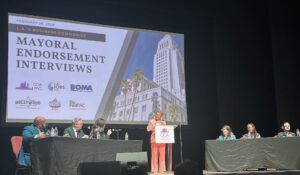
Last week, BOMA/GLA helped host interviews with candidates for Los Angeles Mayor — ensuring the commercial real estate industry had direct engagement with individuals who may soon shape the City’s policy and fiscal direction. While mayoral elections can feel political, the reality is operational: the Mayor of Los Angeles sets the legislative and budget narrative that directly affects how your building functions.
Read MoreCAM Reconciliations: The Skill Everyone Needs
CAM Reconciliations: The Skill Everyone Needs Common Area Maintenance, Community, Property Management CAM reconciliations are one of the most important responsibilities in property management — and also one of the least talked about. Many professionals find themselves responsible for them long before they ever receive formal training. Our upcoming workshop is designed to change that.…
Read MoreNew Study: Workforce Disruptions Affect Commercial Real Estate

A new report from the Los Angeles County Department of Economic Opportunity and LAEDC finds recent federal immigration enforcement actions are disrupting businesses across Los Angeles County. While it may sound like a workforce policy issue, the findings matter to BOMA/GLA members because business activity, tenant performance, and building operations are all tied to the local workforce.
Read MoreSupreme Court Tariff Ruling: Why a Trade Decision Matters to Your Building
Global economic policy rarely feels connected to day-to-day building operations — until it suddenly changes operating costs. A major U.S. Supreme Court decision on federal tariffs could influence construction pricing, vendor contracts, tenant demand, and even leasing timelines for commercial properties.
Read MoreEducation in Action: A Strong Start to the Year — and More to Come
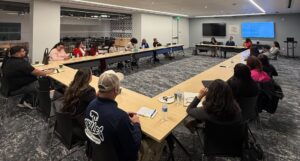
Our Educational Workshop of the Month, How Managers Choose Fair and Inclusive Service Providers, did exactly what a good BOMA/GLA program should do: it opened a real conversation — and it’s just the beginning, with a full year of practical education programs still ahead.
Read MoreThis Mixed-Use Trend Is Expanding Across Local Cities
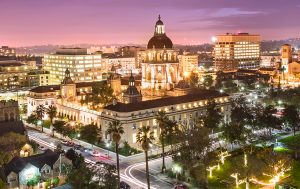
The Pasadena City Council approved a Final Tract Map creating multiple “air parcels,” including one designated for a commercial condominium. This could signal how future neighborhood commercial space will be created — and similar structures are increasingly appearing in Santa Monica, Culver City, and parts of Los Angeles.
Read More