Why Retail Leasing Looks Different in 2026
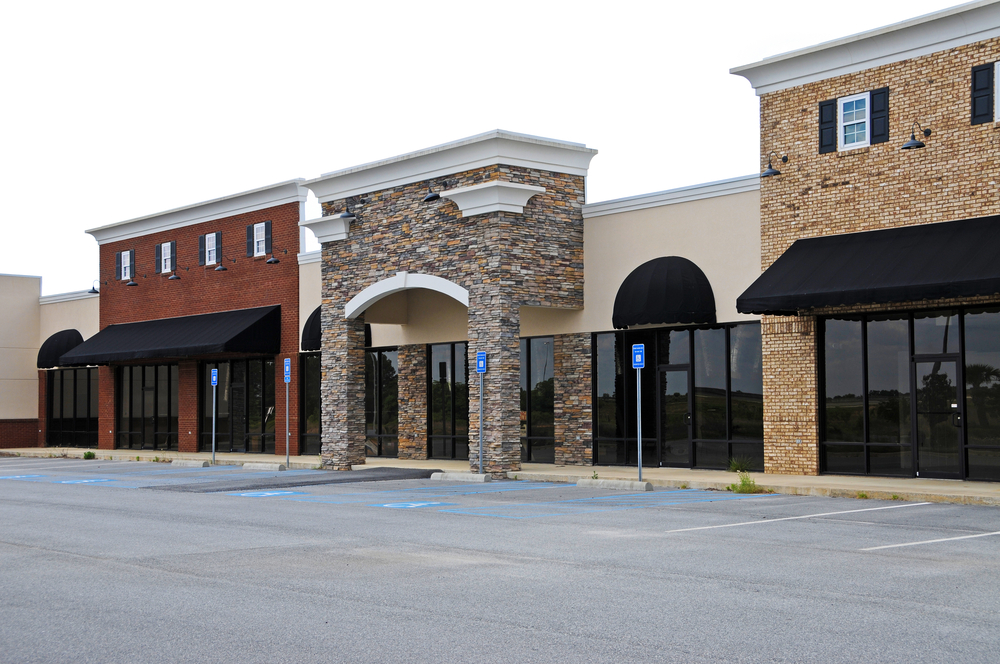
Across Los Angeles, retail space is undergoing a major shift: tenants are no longer primarily selling goods — they are providing services. From fitness studios and medical uses to beauty, wellness, and personal care, service-based tenants are now driving demand for retail space.
This shift directly affects leasing strategy, tenant improvements, and daily building operations, requiring property managers to adapt to different tenant needs, operating hours, and infrastructure demands.
What You Need to Know
Recent commercial real estate reporting shows that service-oriented businesses now occupy more retail space than traditional retailers for the first time. These uses — including gyms, salons, and wellness concepts — have grown significantly and now make up over half of retail occupancy.
This shift is being driven by changes in consumer behavior. E-commerce continues to reduce demand for traditional retail stores, while spending on experiences — including health, fitness, and personal services — continues to grow.
At the same time, overall retail vacancy remains relatively tight, meaning landlords are increasingly filling spaces with service-based tenants rather than waiting for traditional retail users to return.
How It Impacts You
For property managers, this shift is changing both leasing strategy and building operations.
Service-based tenants often have different build-out requirements, including plumbing, ventilation, and specialized equipment, which can increase tenant improvement complexity.
Operationally, these tenants also behave differently. Many generate steady daily traffic rather than peak retail hours, and some operate early mornings, evenings, or weekends. This affects building access, security staffing, and cleaning schedules.
For property managers, the tenant mix is also becoming more stable but less flexible. Service tenants tend to sign longer leases and are less likely to relocate frequently, but they also depend heavily on local customer bases rather than destination shopping traffic.
Ultimately, the definition of a “retail tenant” is changing. Buildings that adapt to service-oriented uses may see stronger occupancy and more consistent foot traffic, while those waiting for traditional retail may face longer vacancies.
Stay Connected
This is not just a leasing trend — it’s a structural shift in how commercial space is used.
Retail is becoming service-driven rather than product-driven, tenant improvements are becoming more specialized and building operations are becoming more complex.
For property managers and service providers, understanding this shift is critical to attracting the right tenants, planning build-outs, and managing building operations effectively.
Follow BOMA on the Frontline for more news impacting members.