DTLA Activity Is Returning — And CRE Should Pay Attention
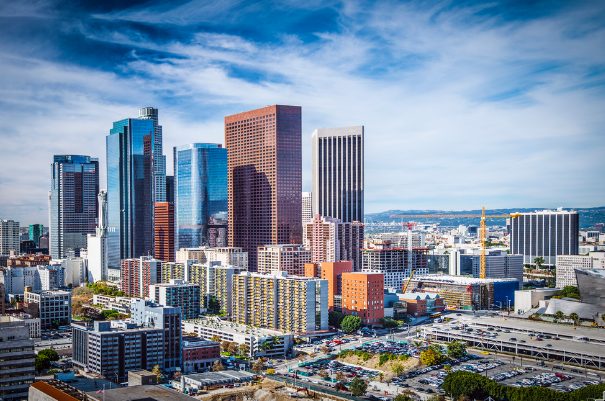
A new report from the Downtown LA Alliance shows Downtown Los Angeles is not just an office district anymore — it is becoming a full mixed-use neighborhood. More residents, visitors, and events are bringing steady activity back to the area.
For commercial real estate professionals, that matters because building performance now depends on people being downtown, not just office leasing.
What You Need to Know
Downtown LA’s office market is still in recovery, but the environment around office buildings is improving. The area is no longer supported only by daily commuters — it is increasingly supported by residents, visitors, and events that keep activity in the district throughout the week.
According to the DTLA Alliance’s latest market report, residential housing remains stable at about 91% occupancy, meaning more people are living near office buildings and supporting nearby services and retail.
Office vacancy is still high at roughly 32%, but rents and leasing activity indicate a gradual stabilization rather than continued decline.
Foot traffic is also important for office performance. Downtown attracts more than 18 million visitors per year, helping restaurants, retail, and amenities that office tenants rely on when choosing where to lease space.
The City is encouraging additional housing and mixed-use development and reducing parking requirements, which may gradually change how office buildings attract tenants and commuters.
How It Impacts You
For property managers and service providers, the key takeaway is this: office buildings are competing not just on square footage and rent, but on experience and location.
Nearby activity helps office leasing. For example, tenants increasingly care about walkability, restaurants, safety, and amenities around the building — not just the office space itself.
As a result, office operations may need to adjust:
- Greater focus on building appearance and common areas
- Increased coordination with security due to higher pedestrian activity
- More frequent cleaning and maintenance in lobbies and public-facing areas
- Stronger partnerships with ground-floor retail and nearby businesses
Stay Connected
Large events and the Olympics will also create temporary surges in occupancy and visitor traffic. Buildings should plan ahead for higher elevator usage, deliveries, security needs, and after-hours activity.
Stay connected to BOMA on the Frontline for more news impacting members.