Mayoral Race Highlights Divide on Measure ULA
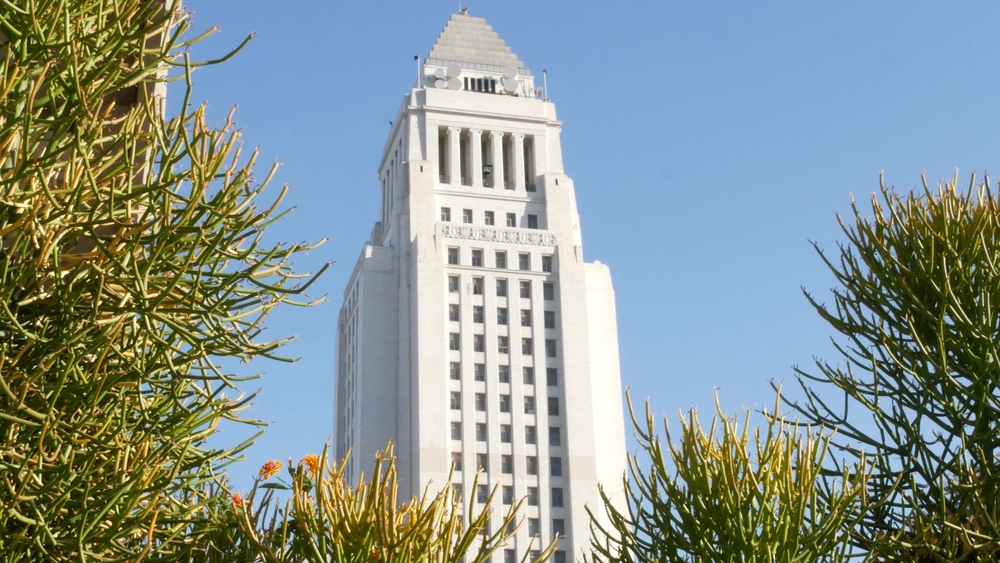
Los Angeles’ first mayoral debate offered an early look at where candidates stand on key issues shaping the city’s future—including the ongoing debate over Measure ULA and its impact on development.
For our members, this matters because decisions around transfer taxes, housing policy, and development incentives will directly influence investment, leasing activity, and the overall health of the commercial real estate market.
What You Need to Know
At a recent LA mayoral debate, candidates discussed major policy issues including housing, transportation, and homelessness—but one of the most notable points of division was Measure ULA, the city’s transfer tax on high-value real estate transactions.
Candidates expressed sharply different views on the tax:
- One candidate supported reforming ULA, including potential carveouts to encourage new multifamily, commercial, and mixed-use development.
- Another opposed any changes, arguing that developers should not receive tax relief.
- A third candidate criticized ULA outright, calling it poorly structured and harmful to the housing market.
The debate shows how unsettled the mayoral race remains, with no clear frontrunner emerging and several candidates polling in competitive positions.
At the same time, broader housing policy—including state efforts to increase density near transit—continues to gain traction among candidates, signaling a continued push toward development-focused solutions.
How It Impacts You
For the commercial real estate industry, the divide over Measure ULA is more than political—it signals continued uncertainty around one of the most consequential policies affecting property transactions in Los Angeles.
ULA has already reshaped investment decisions, slowed transaction activity, and added complexity to deal-making.
Depending on who ultimately leads the city, the policy could be revised, expanded, or left unchanged.
Each of those paths carries different implications for asset values, capital flows, and redevelopment feasibility.
This debate highlights a broader trend: city leadership is still grappling with how to balance revenue generation, housing production, and economic growth.
For our members, that means continued engagement will be critical to ensure policymakers understand the real-world operational impacts of these decisions—especially as discussions around taxes, development incentives, and housing policy continue to evolve.
Stay Connected
We will continue tracking the mayoral race and advocating for policies that support a healthy commercial real estate market with candidates.
Stay engaged through our Government Affairs Committee, Political Action Committee, and Action Center to ensure your voice is heard as these conversations shape the future of Los Angeles.
Connect with our Sponsorship & Events Manager, Karla, to get involved in our advocacy event of the year—BOMA at the Bowl! Sponsorship helps power our advocacy efforts and support candidates who champion commercial real estate interests.