This Culver City Decision Could Reshape Local CRE Development
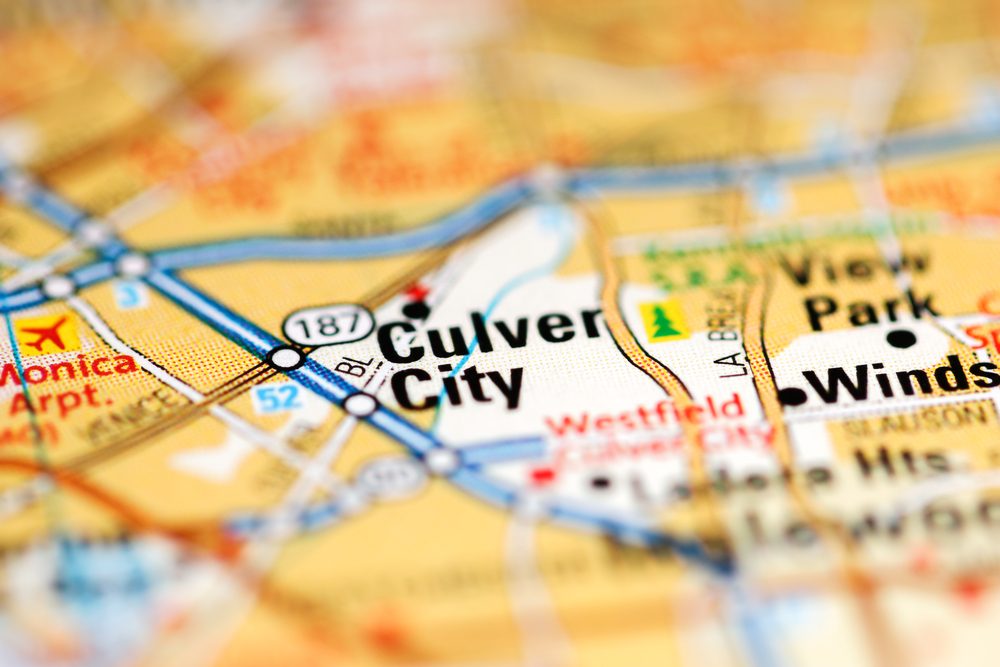
Culver City just approved changes that allow more density and mixed-use development near transit, including updates to the Hayden Tract Specific Plan.
While this is being driven by housing policy, it matters to our members because it will change how commercial space is developed, leased, and operated moving forward.
What You Need to Know
The Culver City Council recently approved direction to implement state-mandated transit-oriented development requirements under SB 79 while advancing updates to the Hayden Tract Specific Plan.
These actions allow for:
- Increased building height and density near transit corridors
- Mixed-use incentives that integrate residential and commercial space
- A long-term transition of areas like Hayden Tract from primarily industrial and creative office uses to more residential-driven development patterns
This is part of a broader regional shift as cities respond to state housing mandates by increasing density and encouraging development near transit.
How It Impacts You
For commercial real estate professionals, this decision directly affects both development strategy and existing asset positioning.
Commercial properties near transit in Culver City may now support significantly higher density, making them more attractive for redevelopment into mixed-use projects.
Over time, this can increase land values but also introduce pressure to reposition or redevelop existing assets.
For property managers, this shift means more buildings will combine residential and commercial uses, creating additional operational complexity.
Managing shared systems, coordinating between tenants and residents, and addressing different operating hours will become more common.
For service providers, mixed-use environments often require more flexible service delivery, from security and maintenance to waste management and logistics.
Perhaps most importantly, areas like Hayden Tract — historically known for creative office and industrial uses — are likely to evolve.
As more residential development is introduced, the surrounding commercial environment will shift toward amenity-driven retail and service uses, changing tenant demand and neighborhood dynamics.
Stay Connected
Stay engaged through our committees and advocacy efforts to help shape how these policies are implemented.